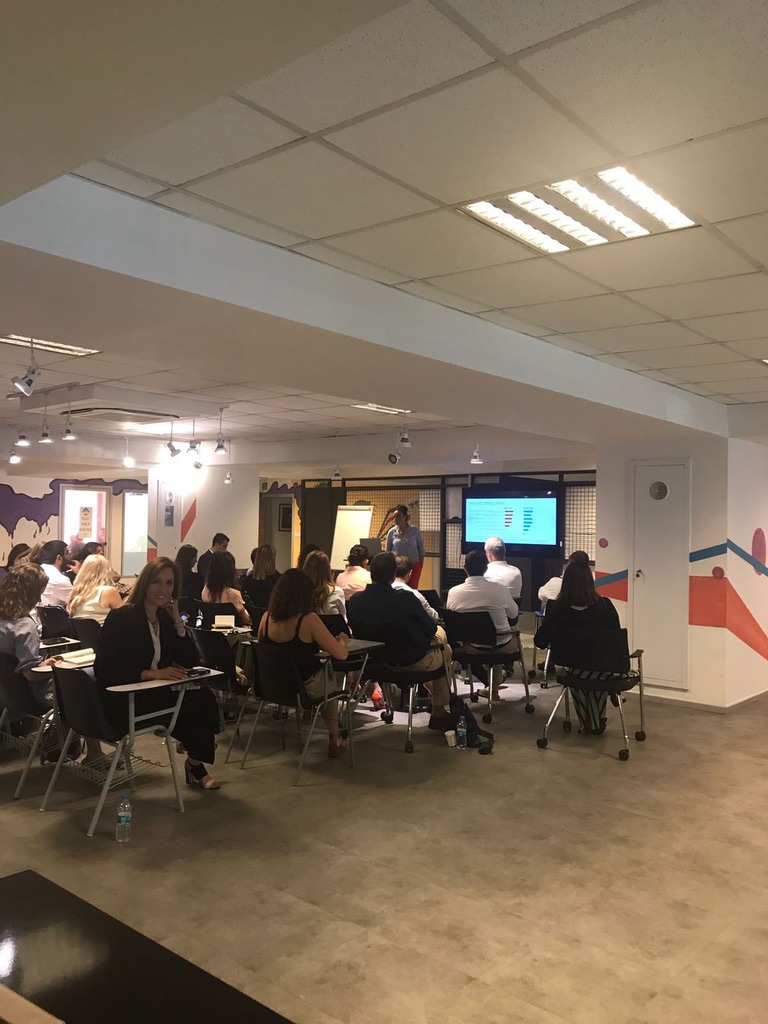
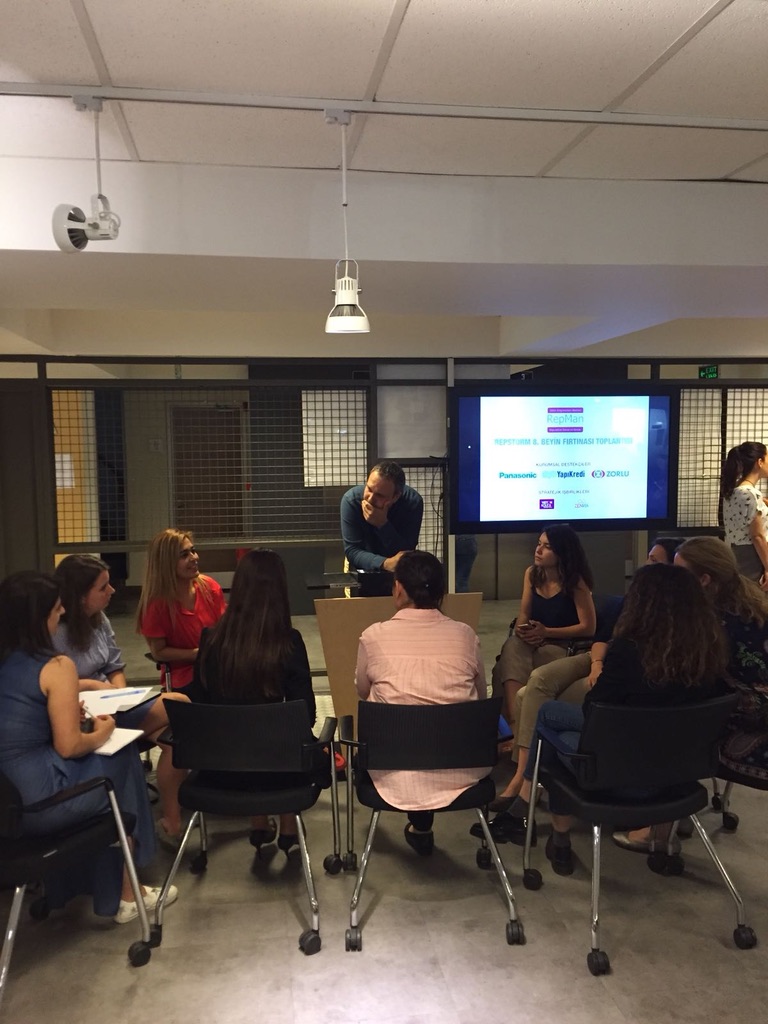
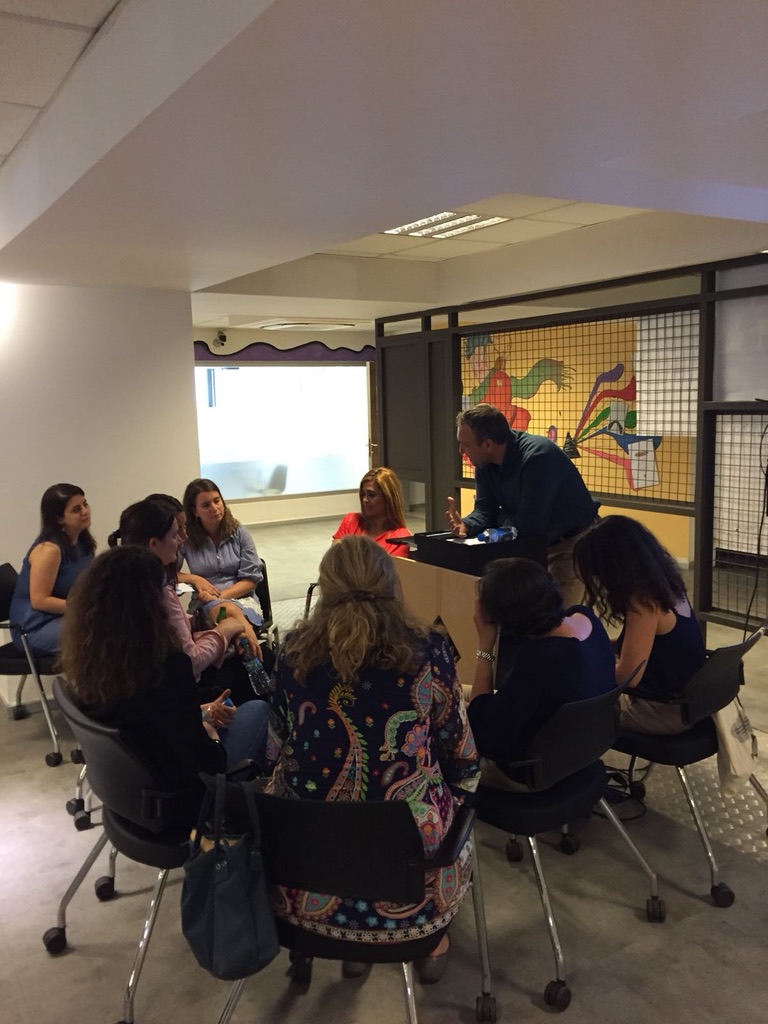
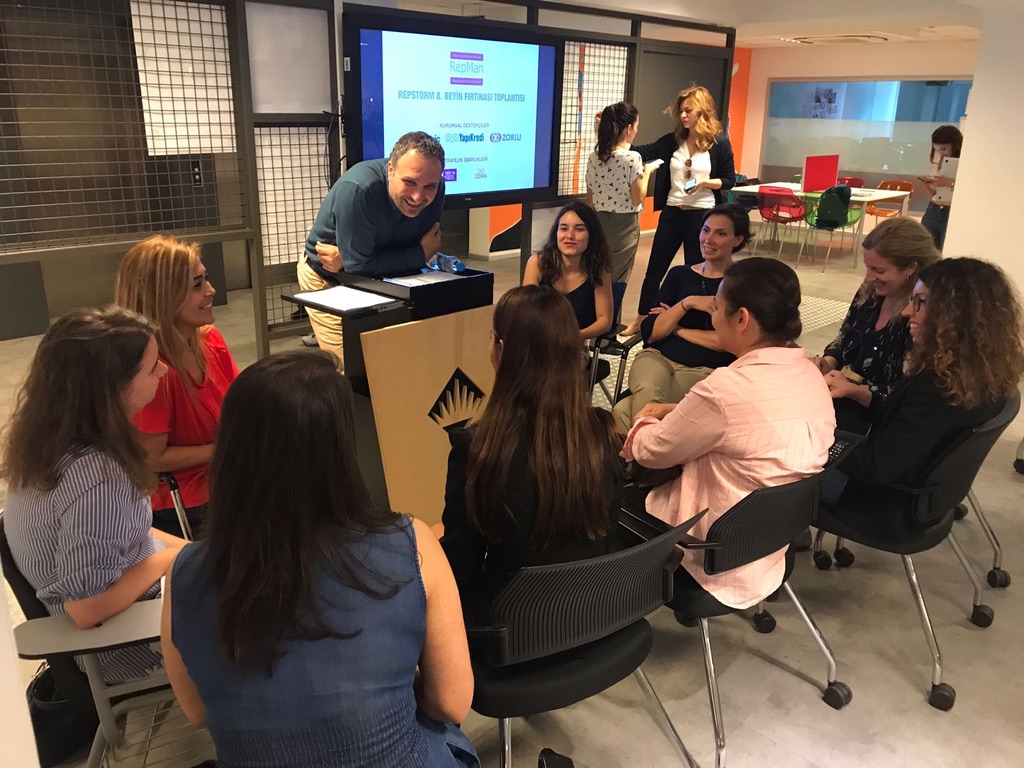
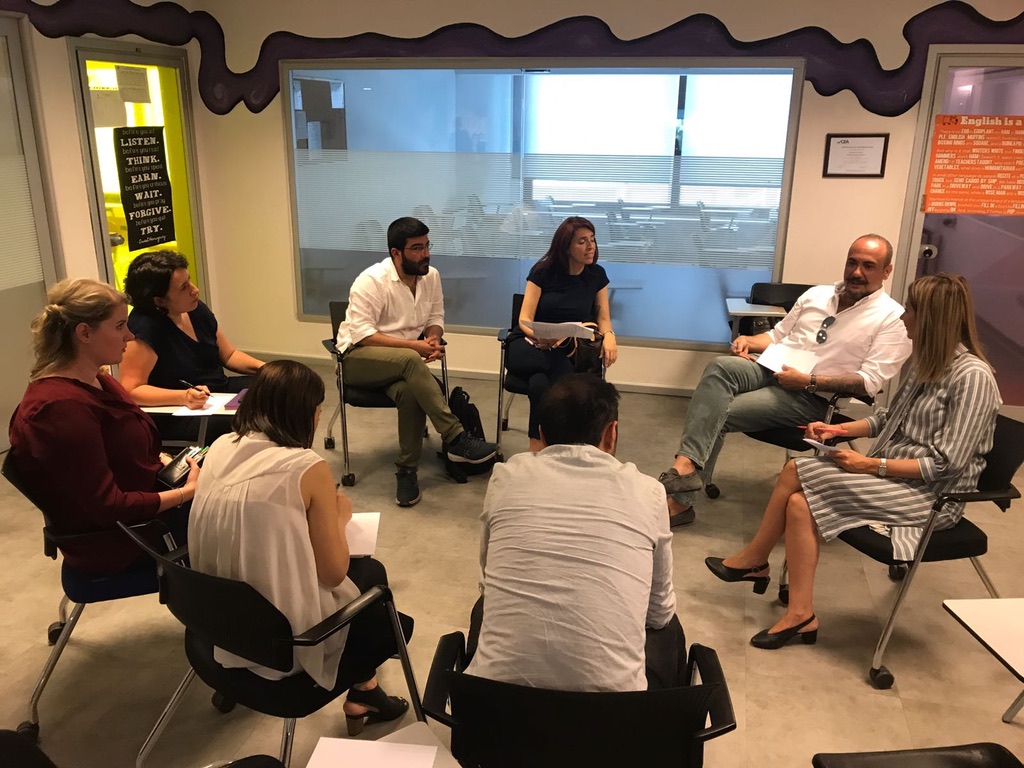
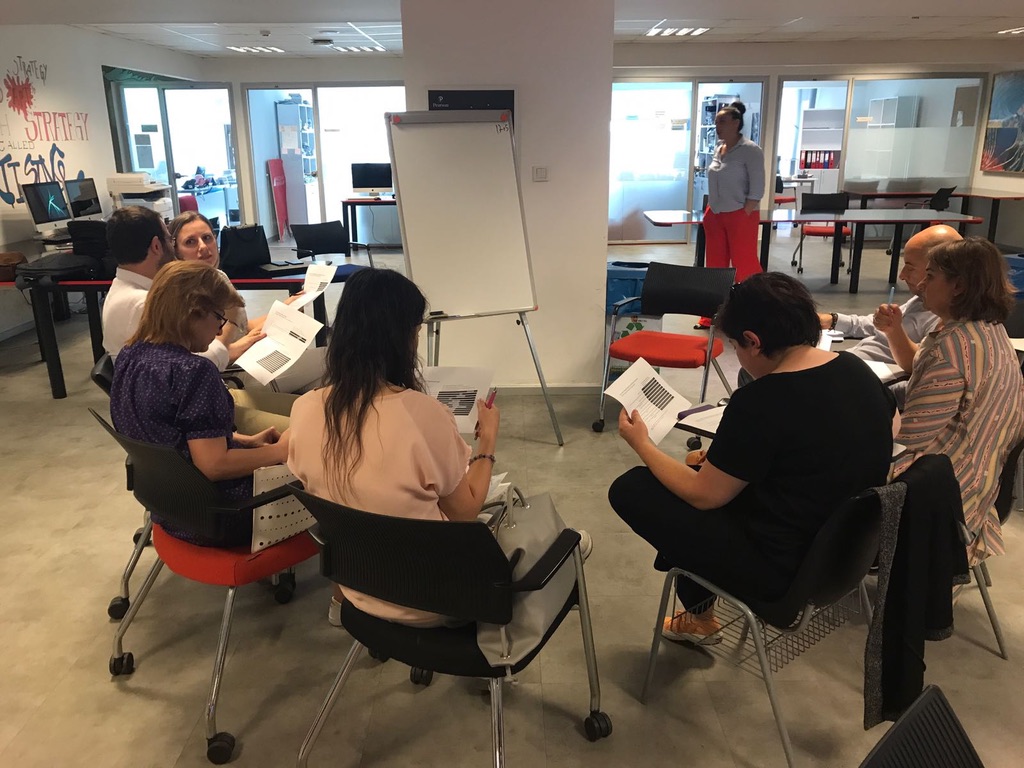
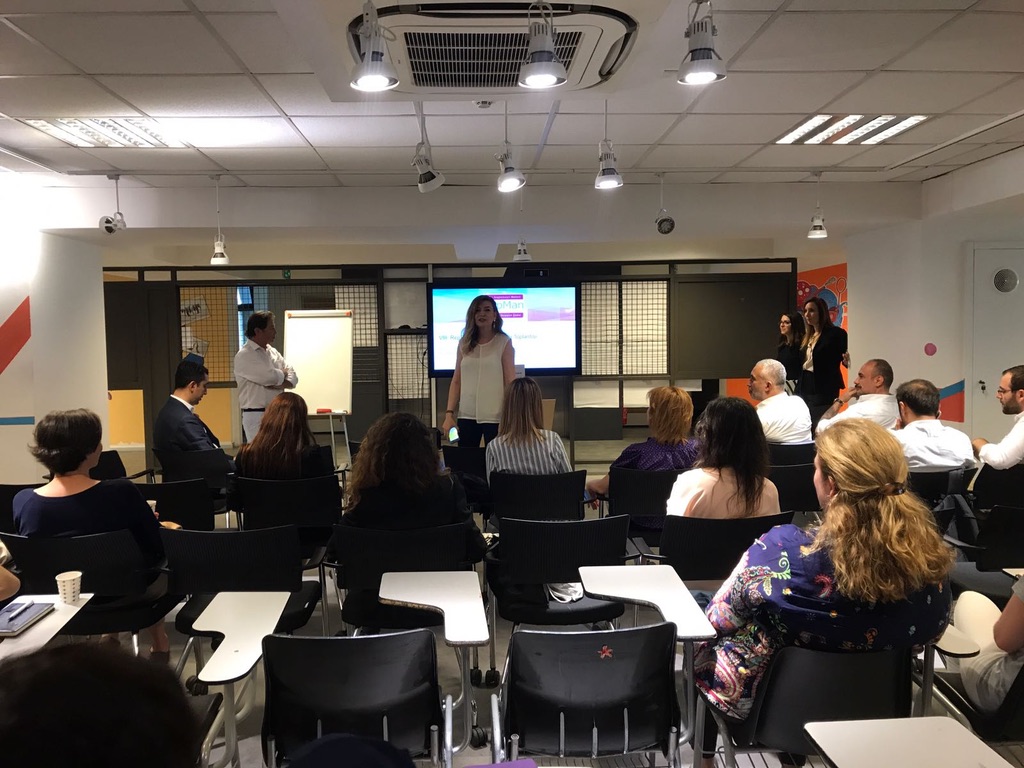
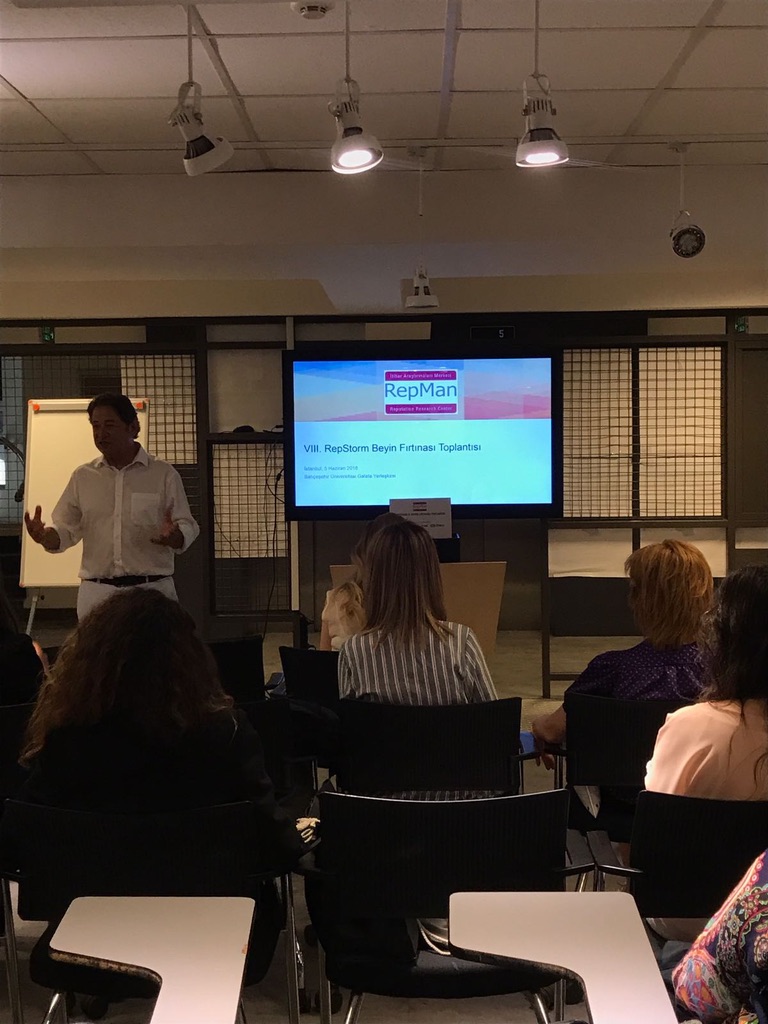
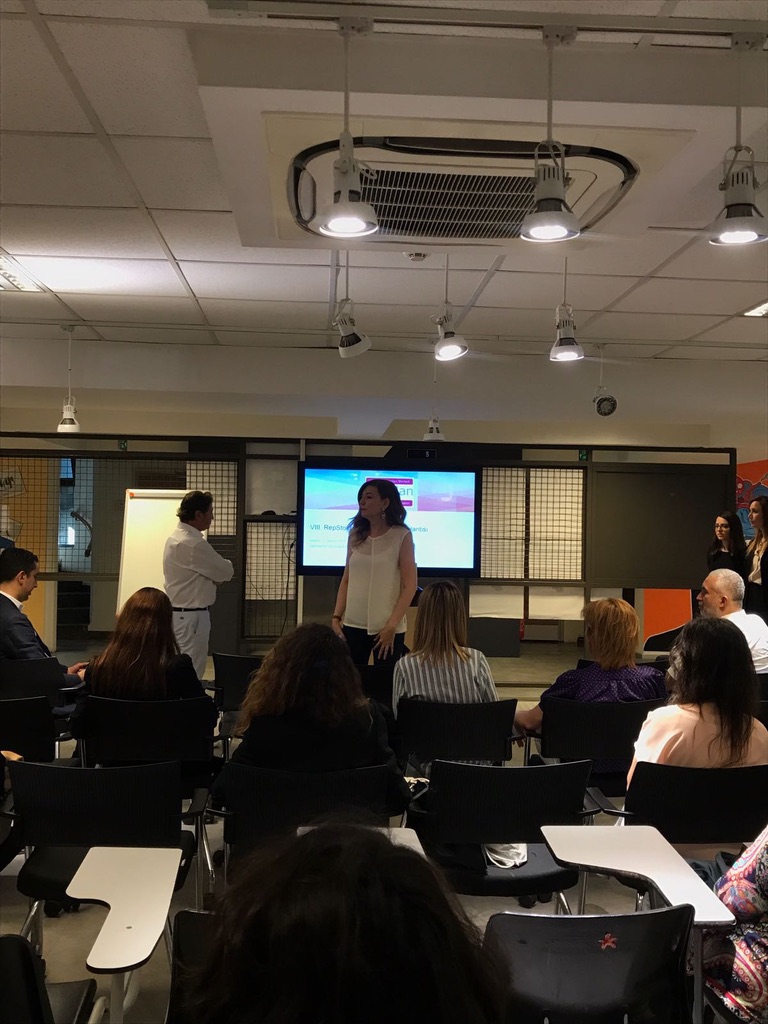
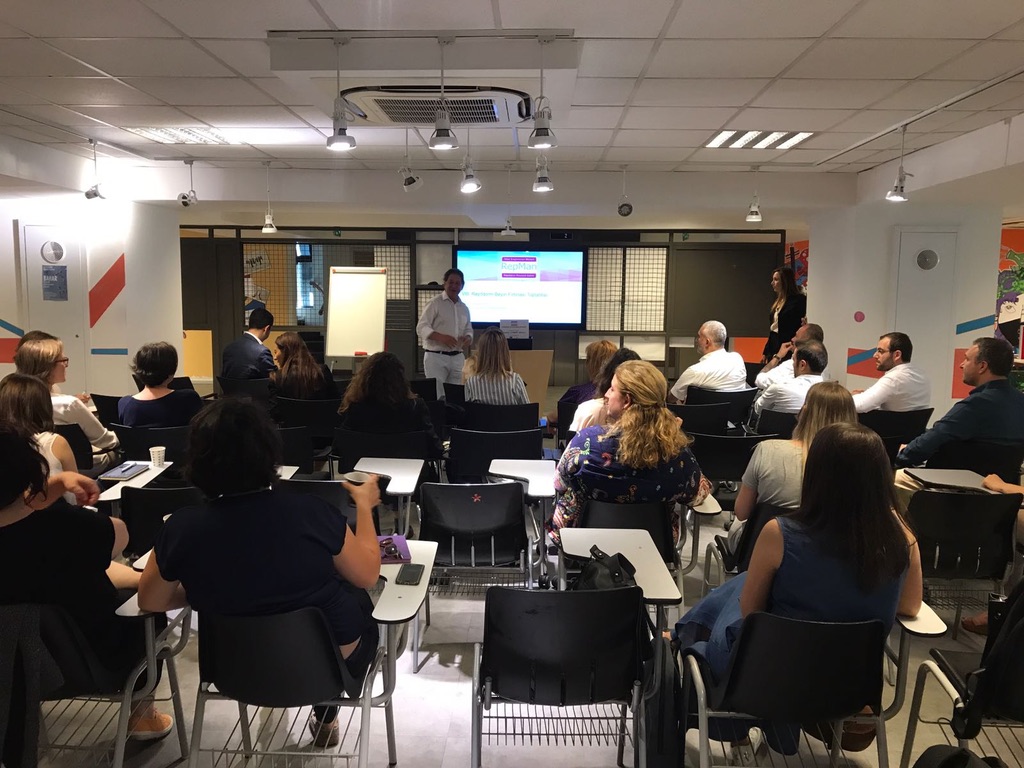
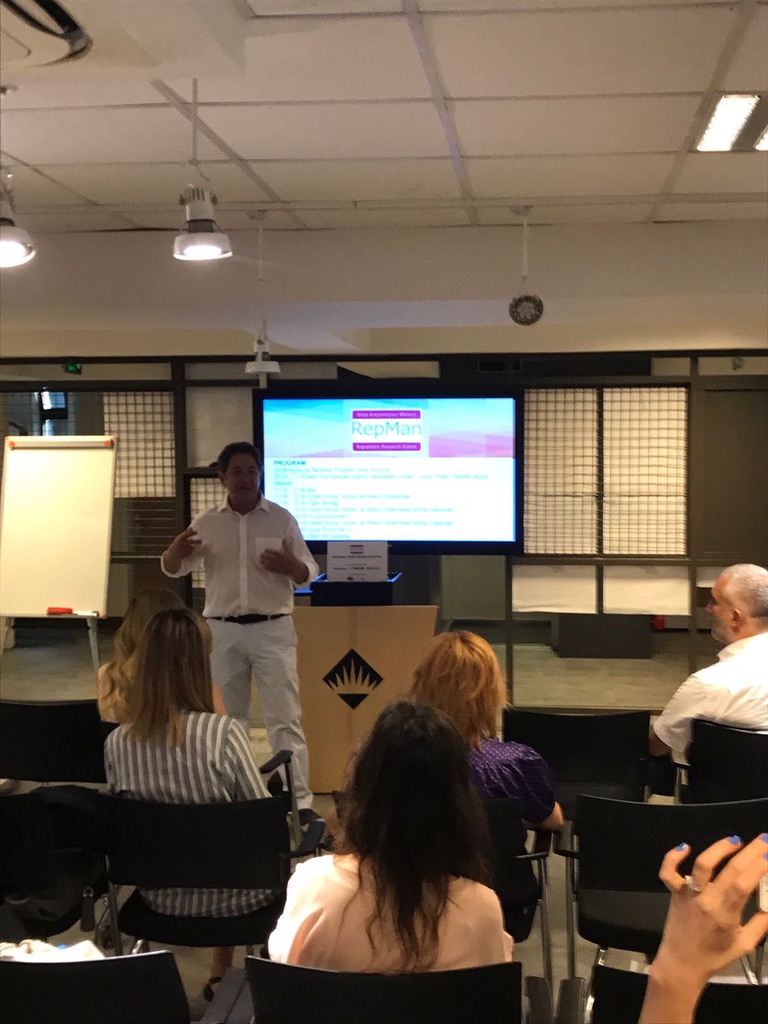
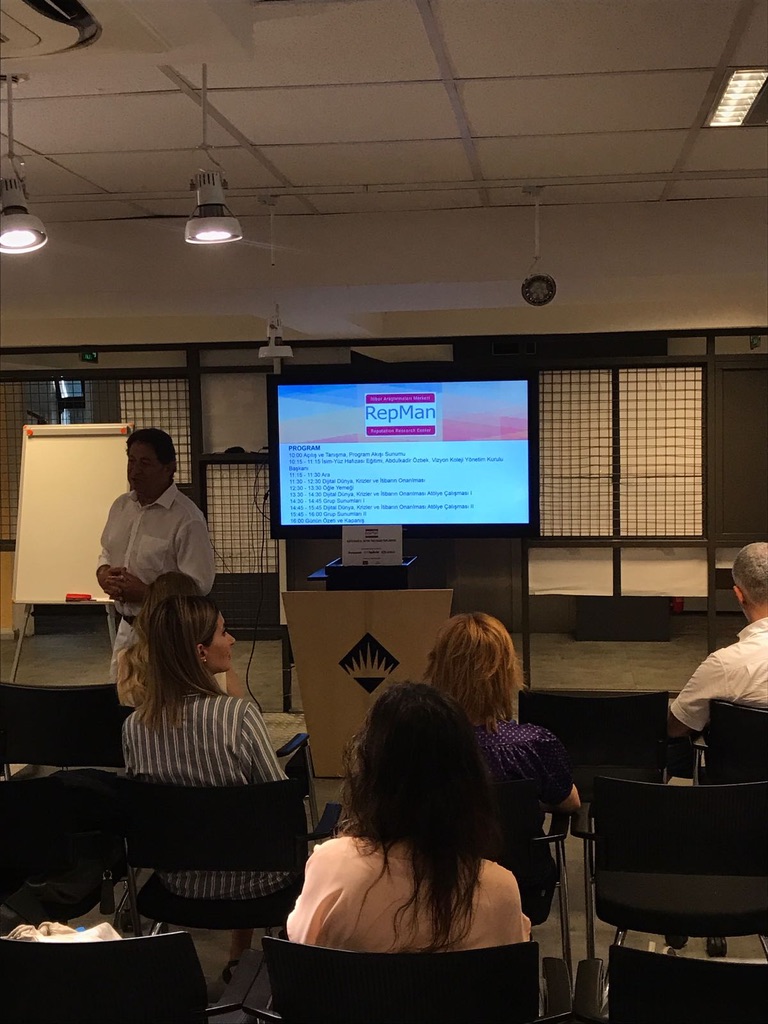
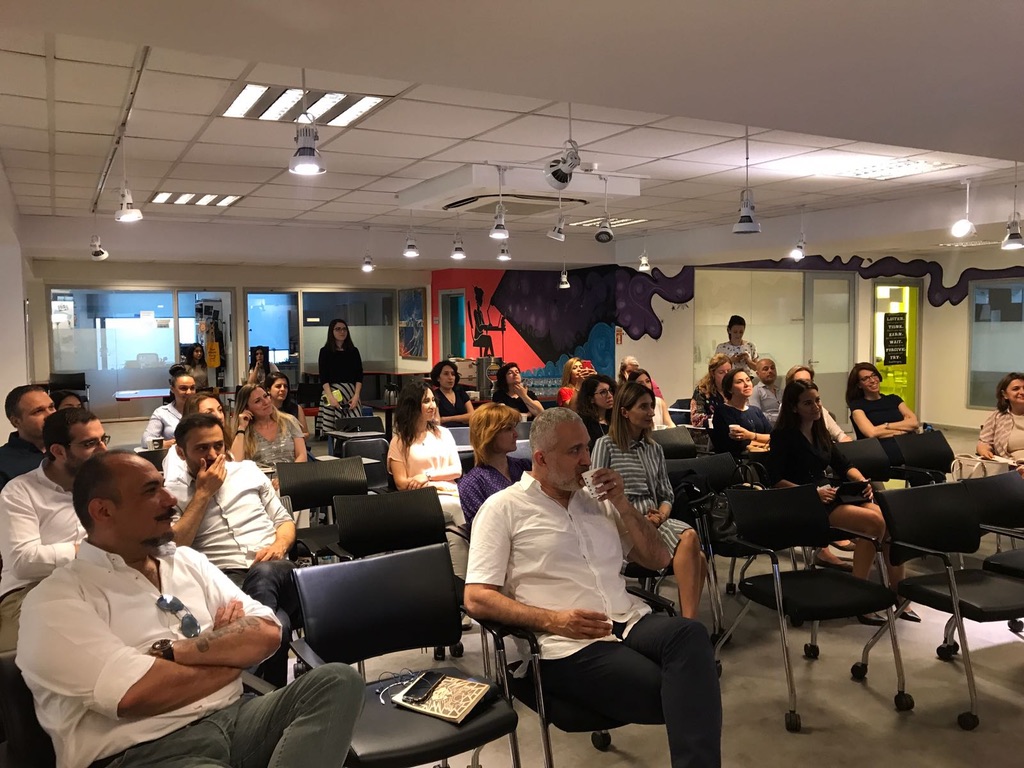
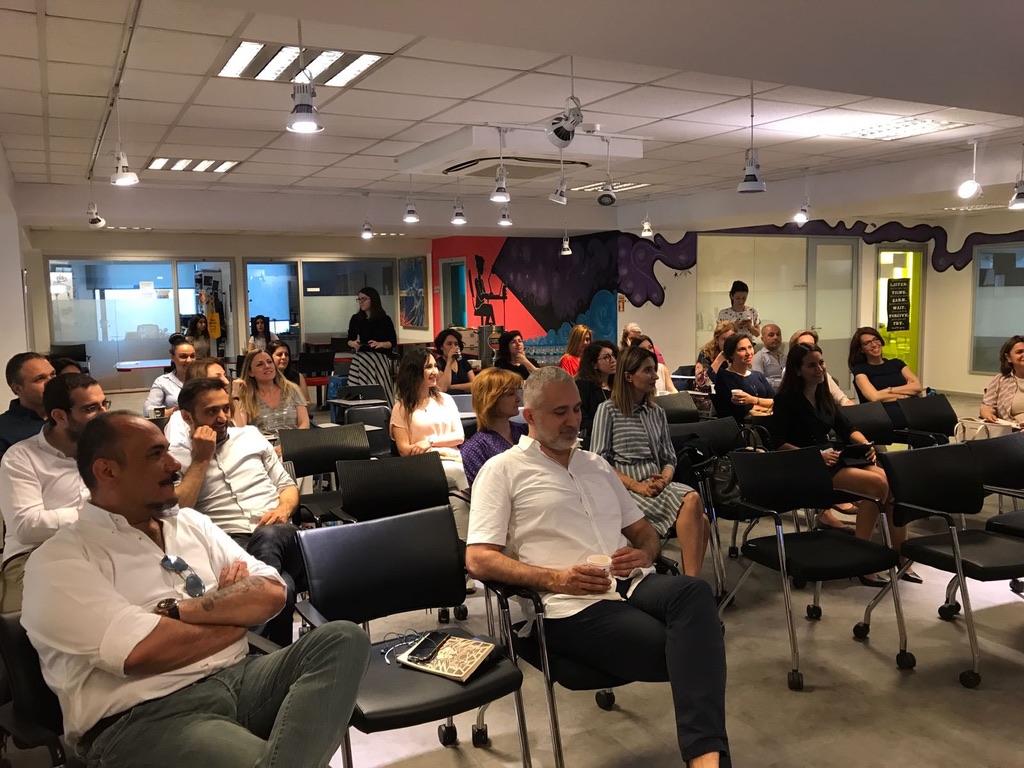
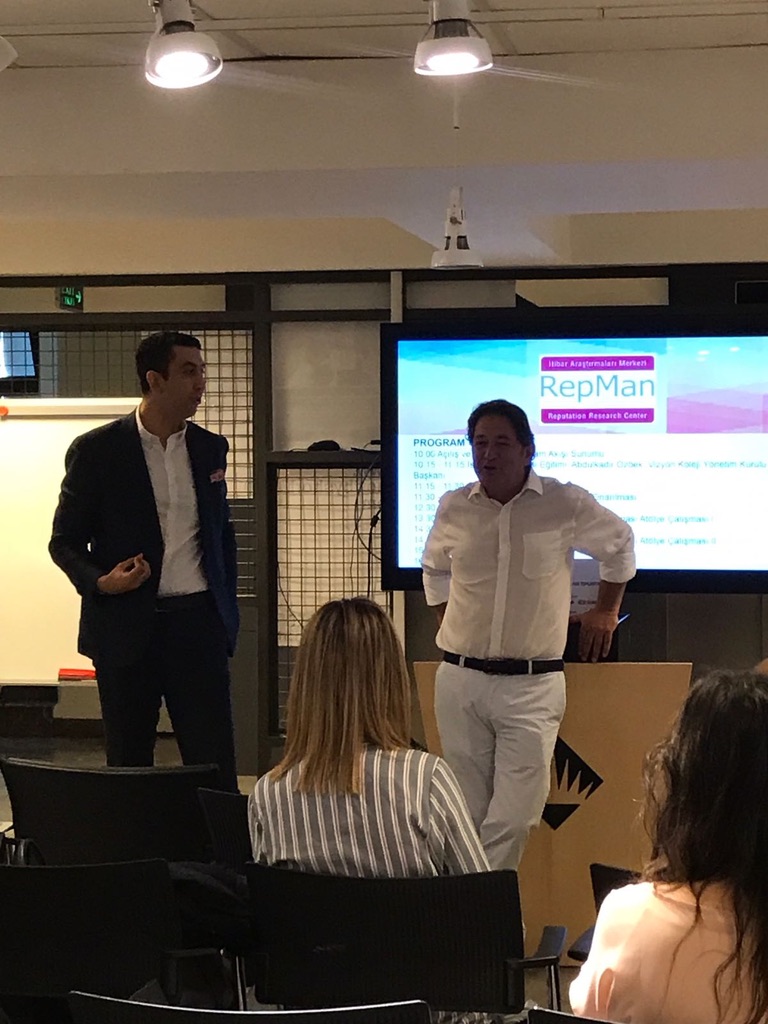
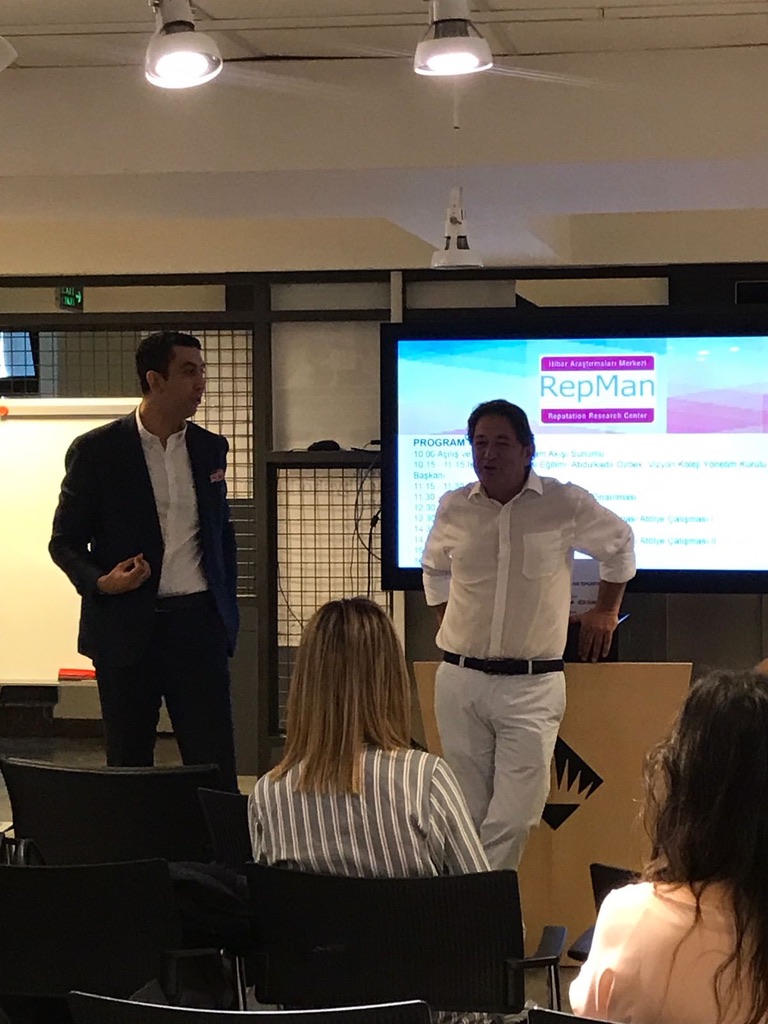
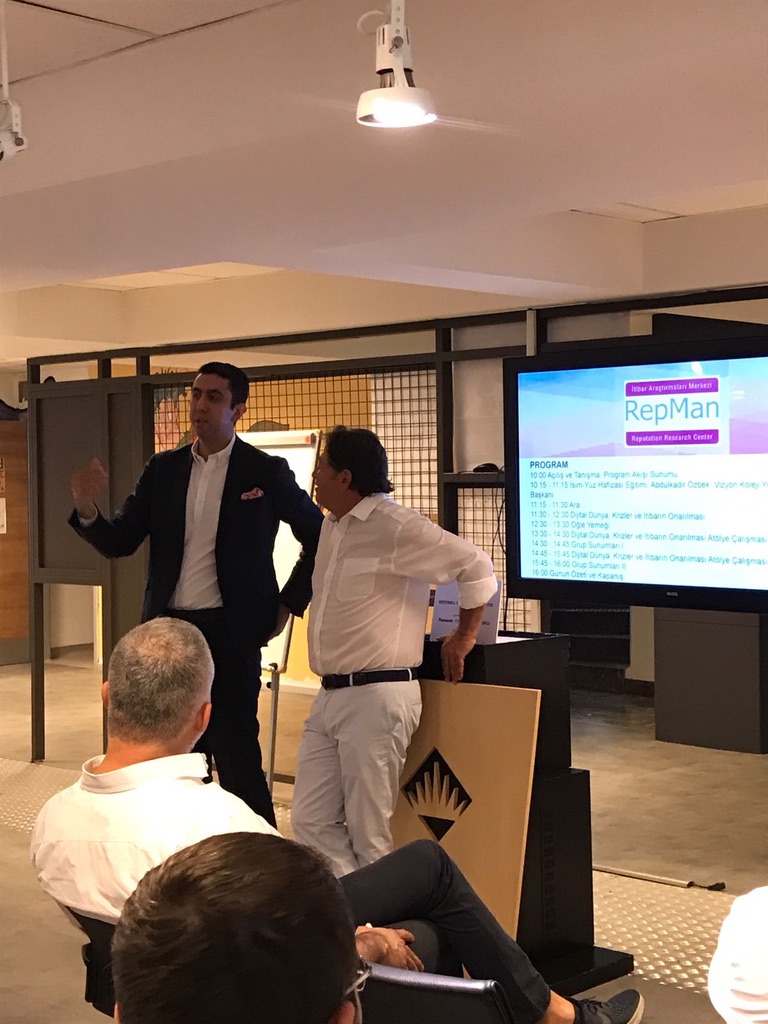
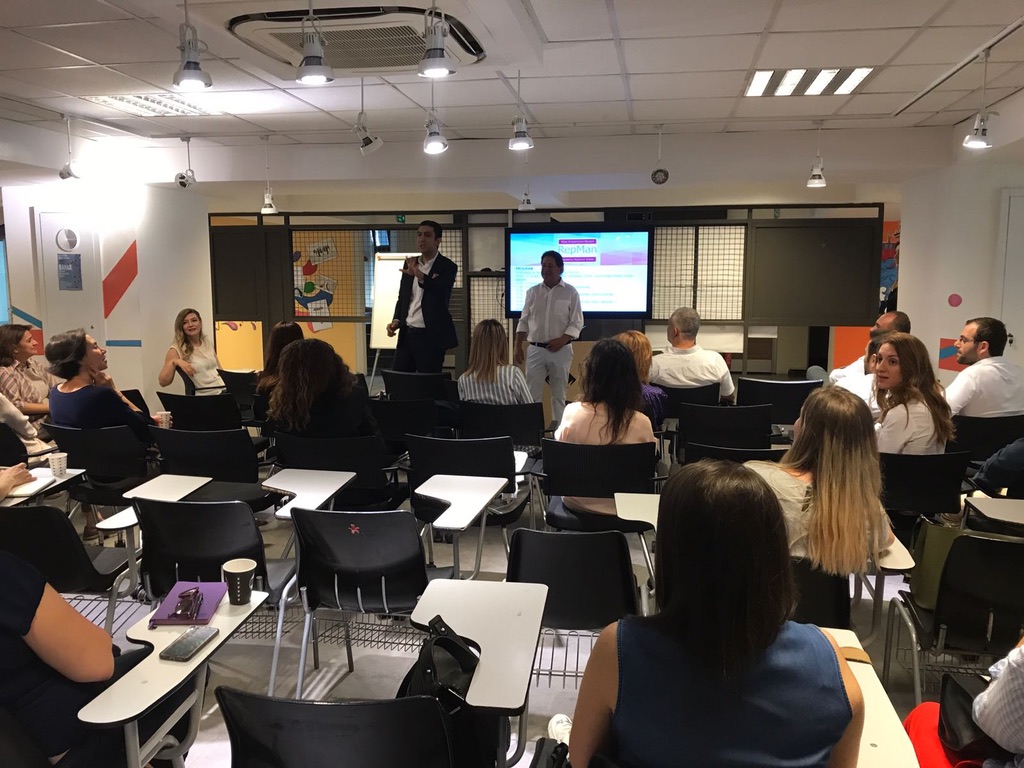
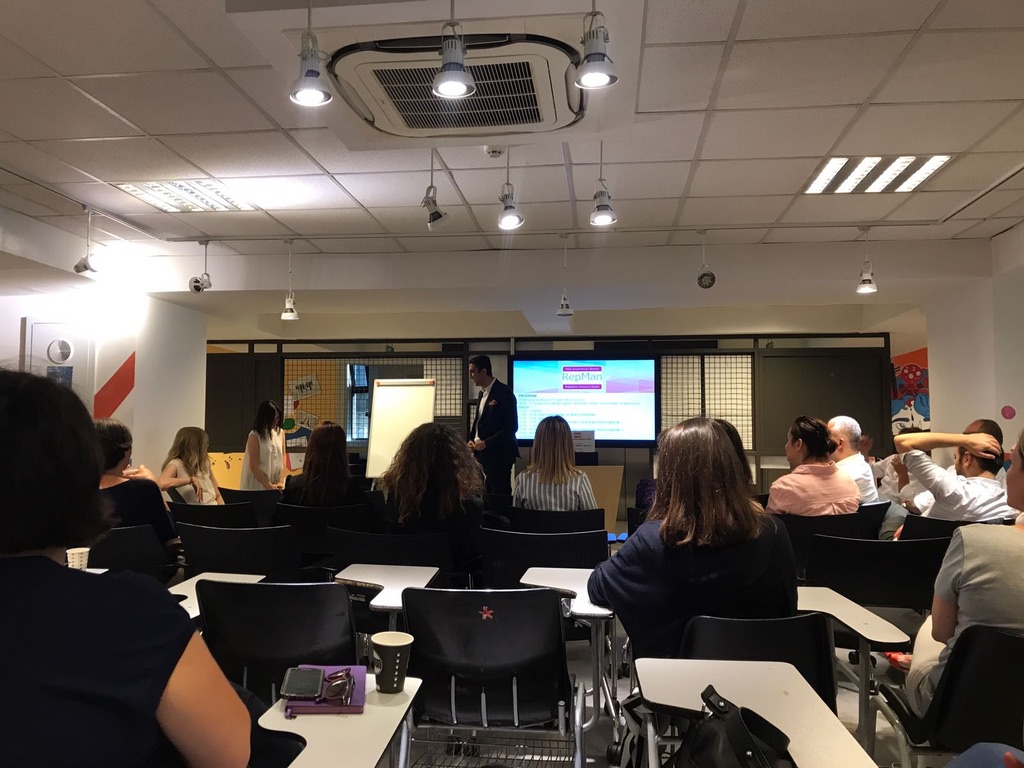
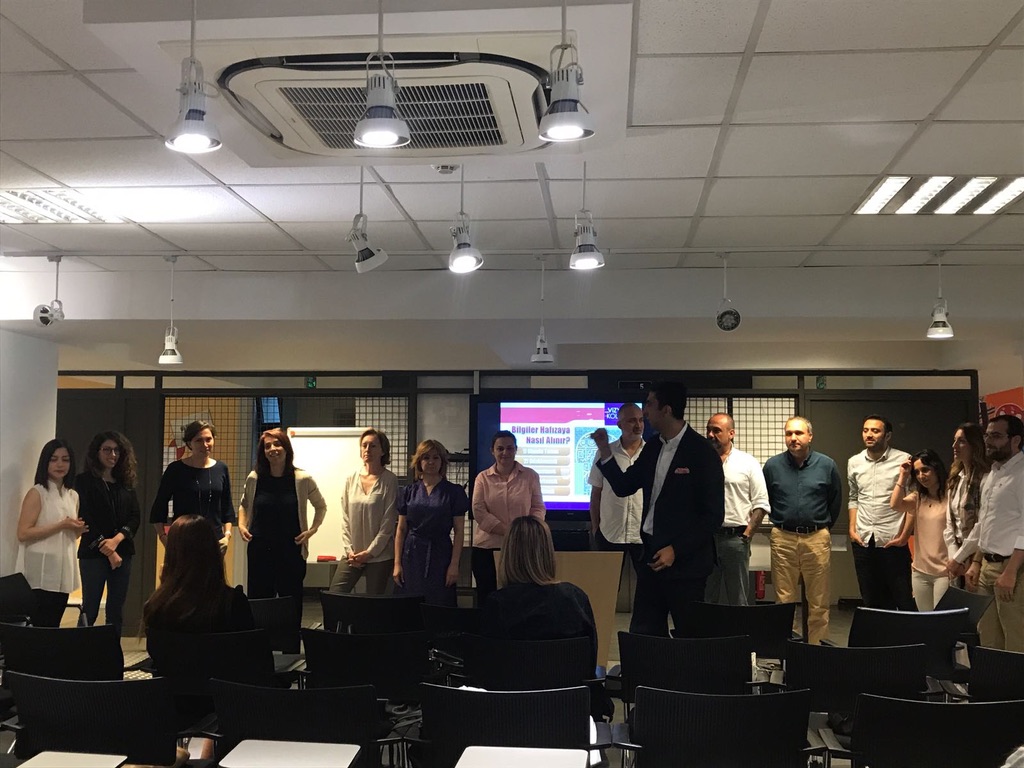
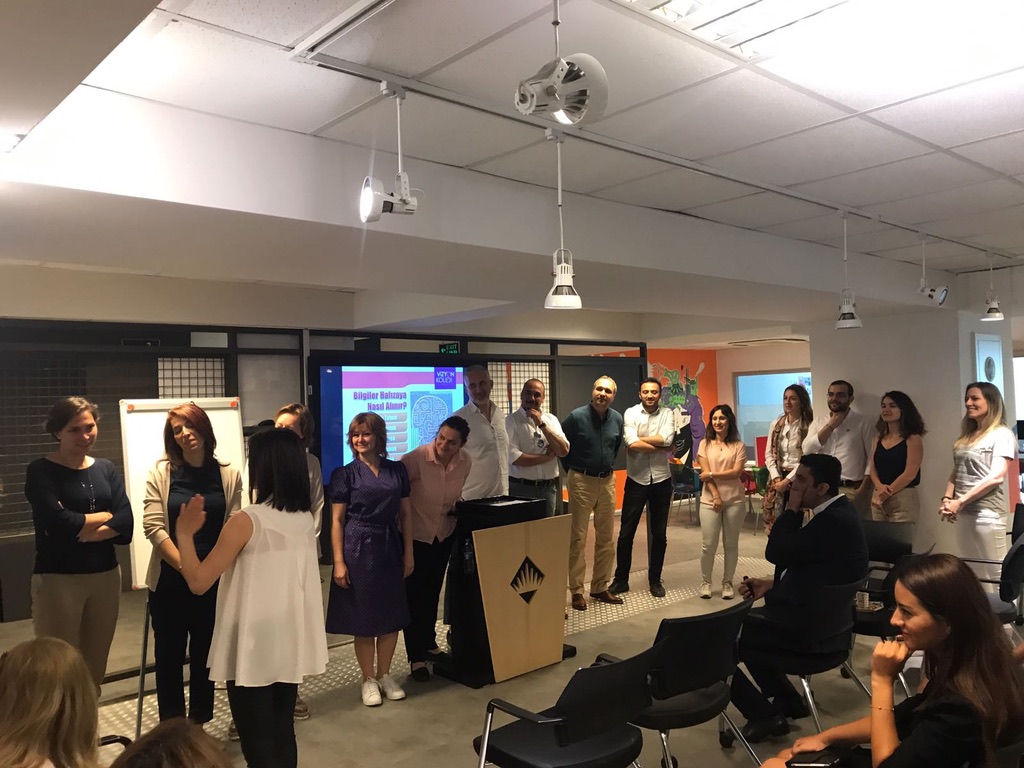
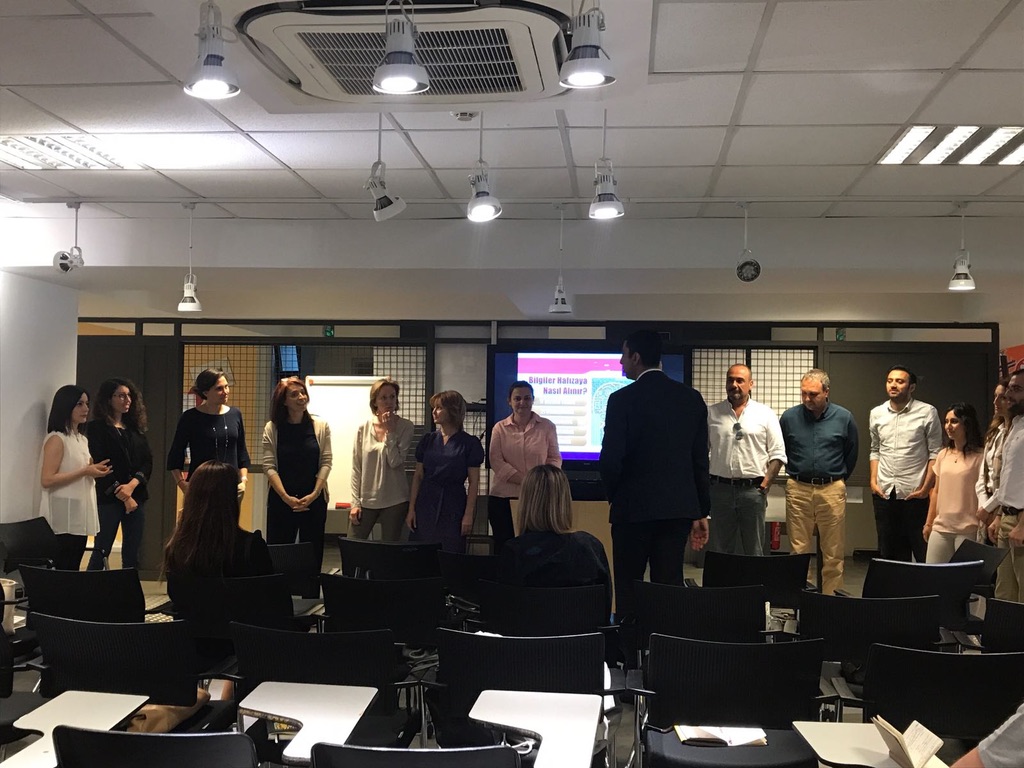
The 8th REPSTORM Brainstorming meeting, regularly organized by the RepMan Reputation Research Center, was held on June 5, 2018, hosted by Bahçeşehir University. The meeting, which took place at the university’s Galata campus, was attended by 37 specially invited participants. Participants included communication professionals, academics, media representatives, and representatives from the civil society world. The full-day meeting consisted of discussions under the title “crises, the digital world, and restoring reputation”.
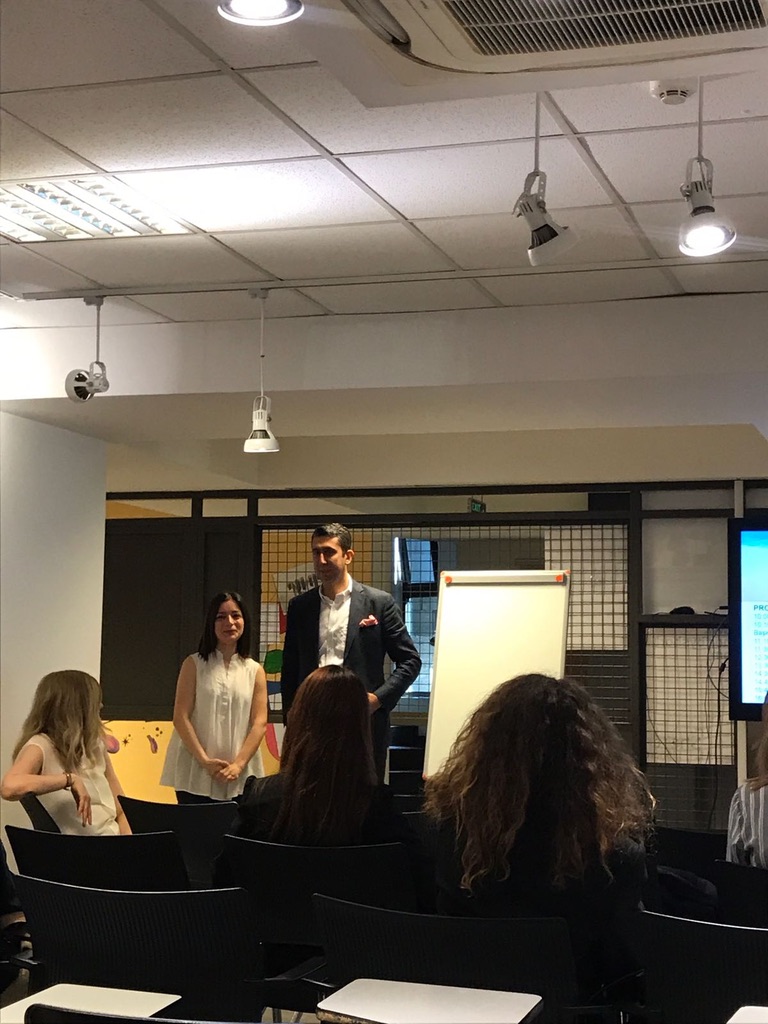
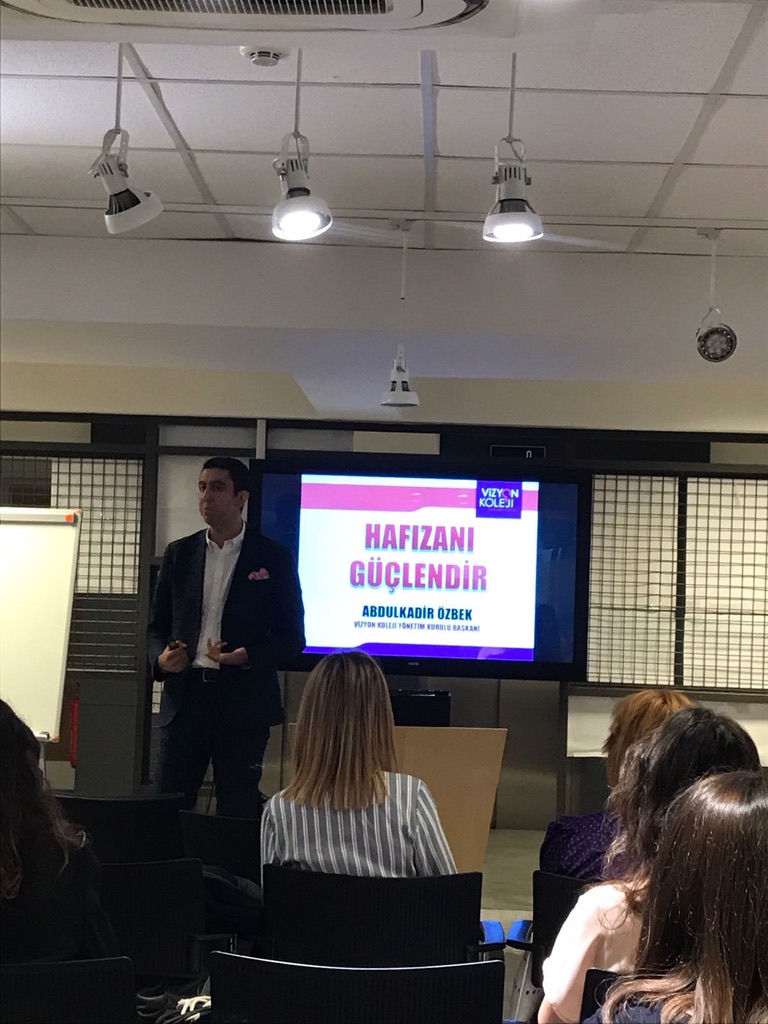
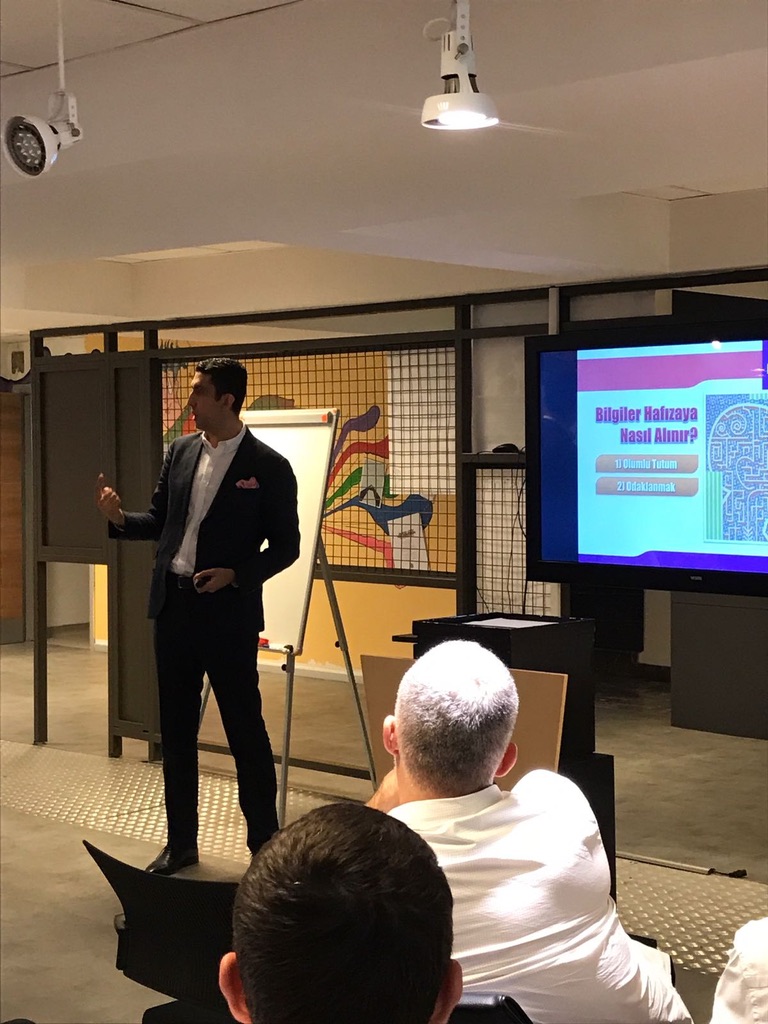
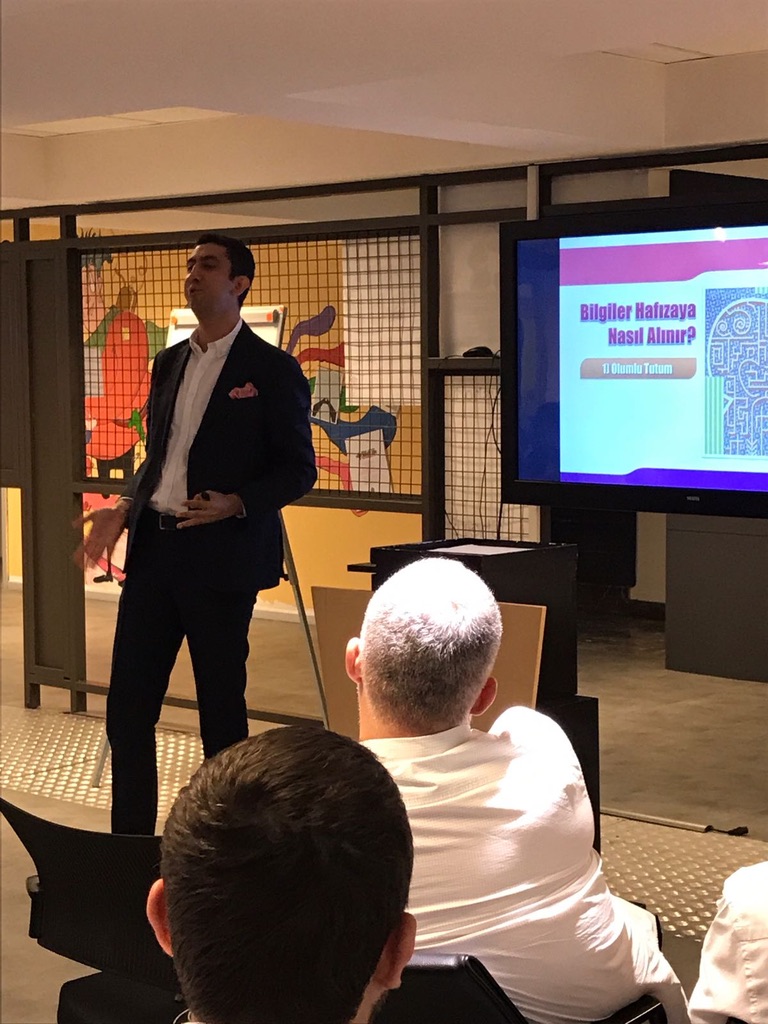
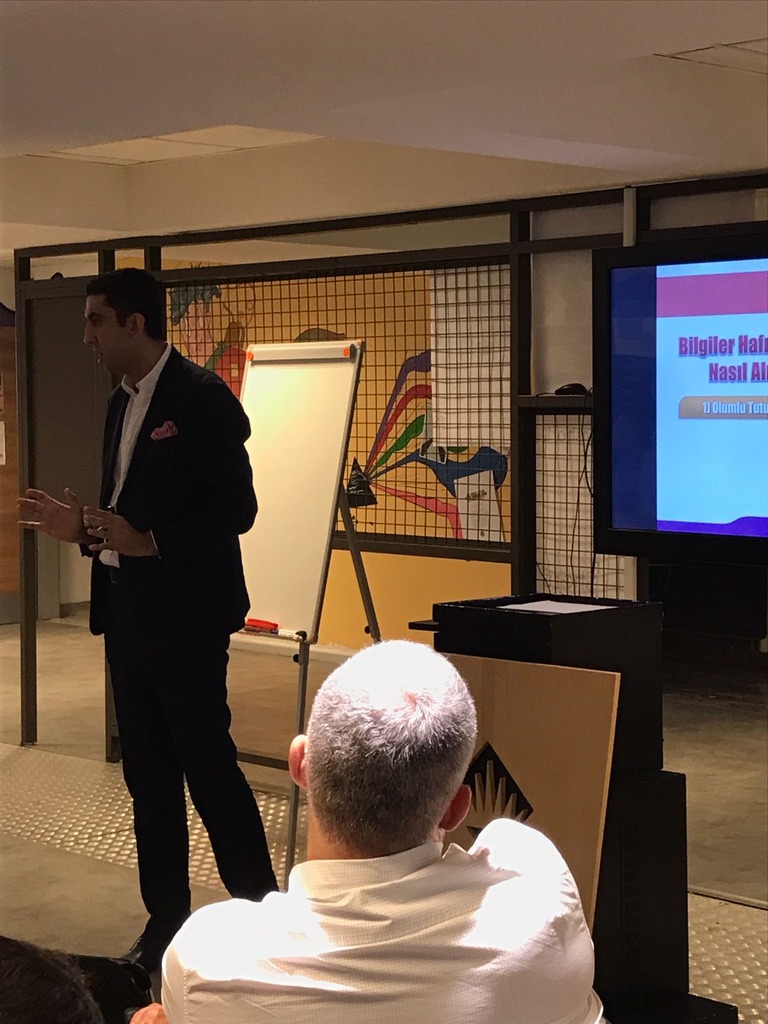
Abdulkadir Özbek, Chairman of the Board of Vizyon College, one of RepMan Reputation Research Center’s 2018 strategic partnerships, gave a “name-memory” training to the participants at the beginning of the meeting. (You can access a portion of Abdulkadir Özbek’s training from a TV program here.)
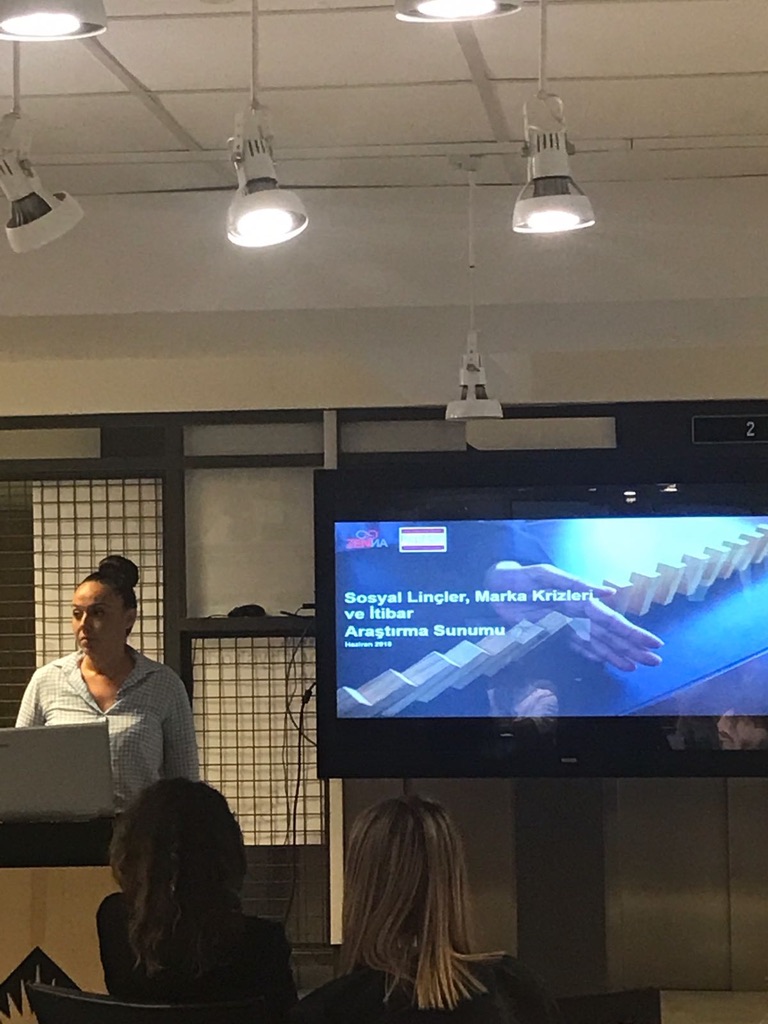
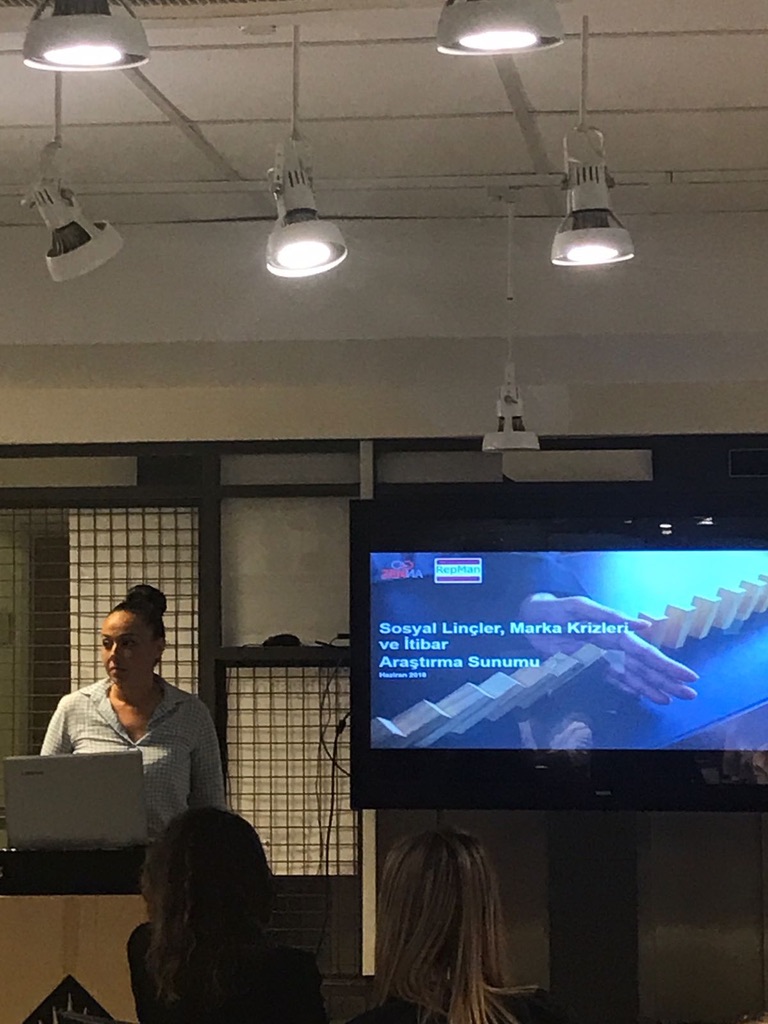
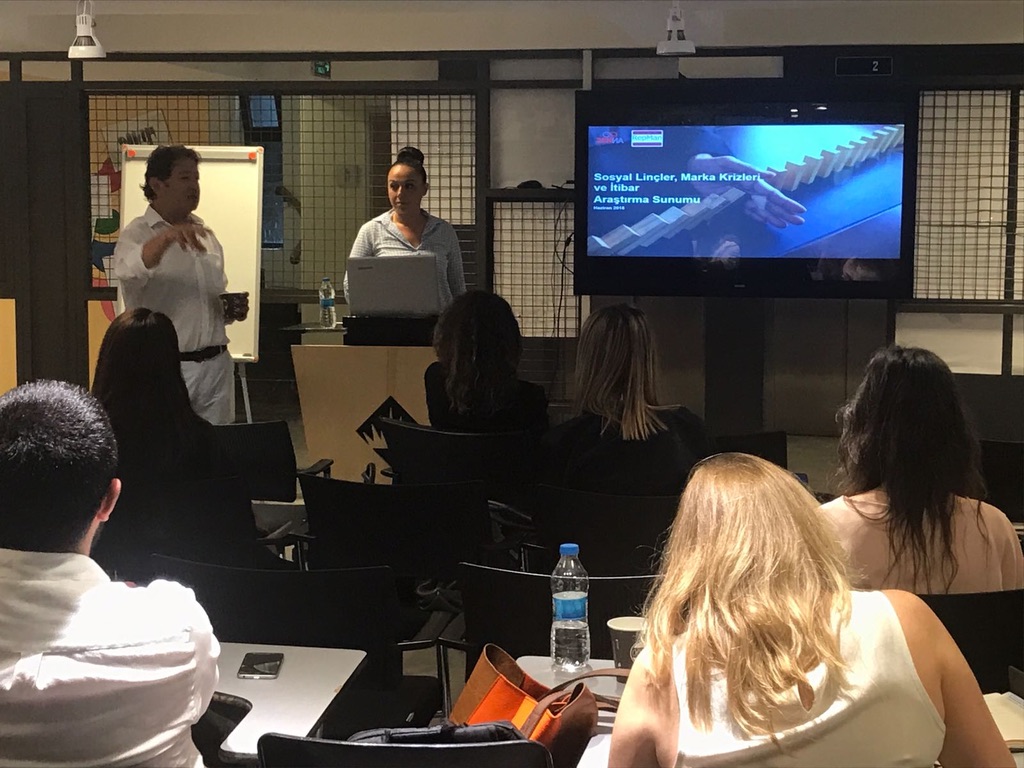
Nuran Aksu, RepMan Advisory Board Member and founder of ZENNA Strategic Brand Research Company, shared the summary findings of the research on digital world crises and behaviors with the participants. Nuran Aksu’s presentation is available here.
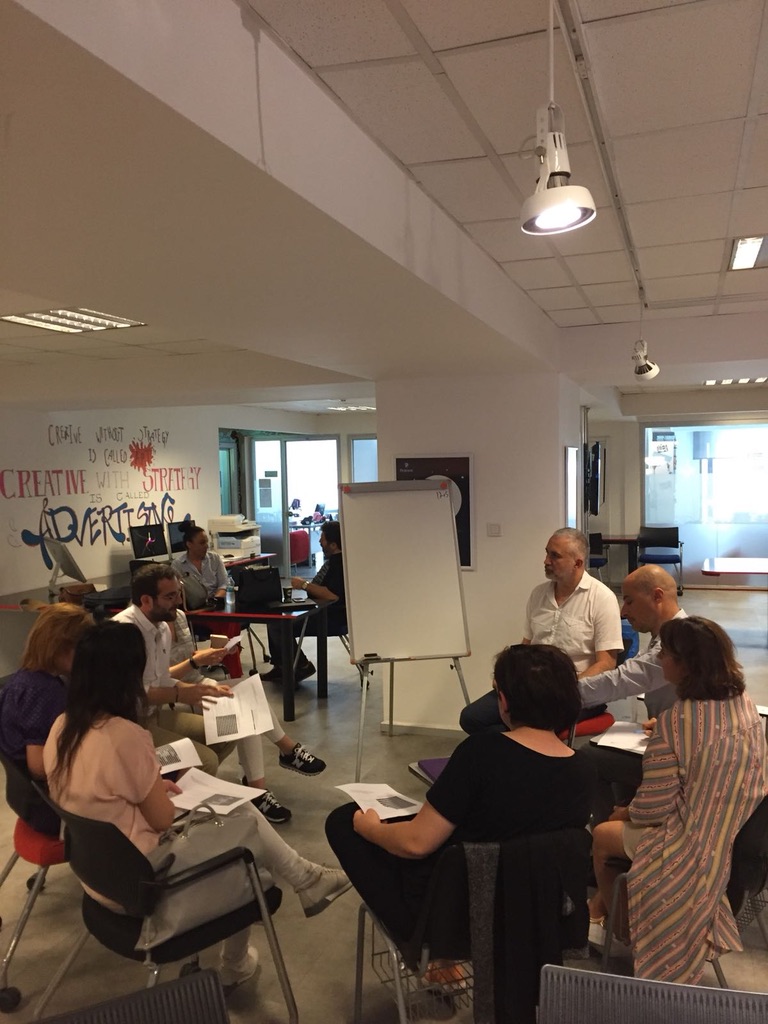
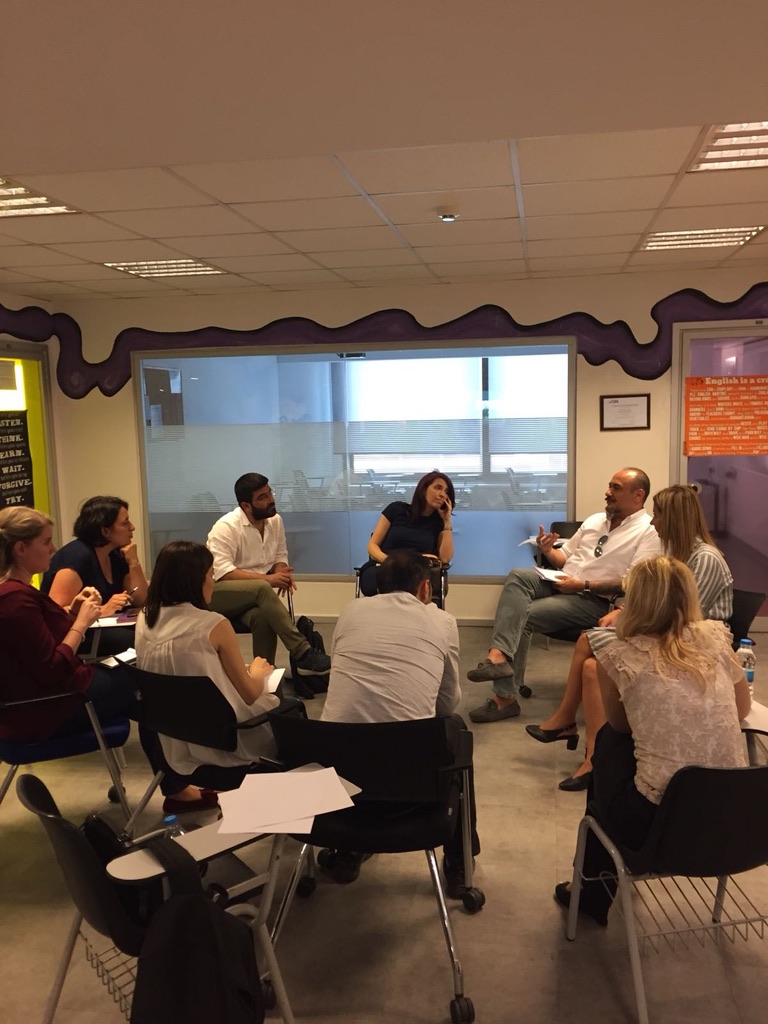
Following the presentation, workshops were held in two parts. In the first workshop, participants were divided into three groups. The first group studied what can be done in the digital world to destroy the reputation of companies and brands. The other two groups discussed what measures they can take against attacks.
Brainstorming Findings
Following the group work, the findings were presented and a general discussion ensued. The common points of agreement reached during the discussions were determined as follows:
- Companies/brands should consider social sensitivities and values, align their own values with them, and control their policies and processes from this perspective.
- They should always communicate effectively and comprehensively with all their stakeholders on these issues, and be ethical and transparent while doing so.
- Company spokespersons should be trustworthy and persuasive.
- Regular crisis scenario training should be conducted, and the situations in which reputation can be damaged and the responsibilities of everyone to prevent this should be repeatedly reviewed in these trainings.
- We need to know that if the company does the necessary work to manage its reputation even when there is no attack, the attacks will not yield the desired result.
REPSTORM group work outputs
What do we do to destroy a brand/company’s reputation in the digital world?
- Storytelling: Emotionally touching stories of people affected by the crisis, powerful visuals, minimal sensationalism but realistic narrative
- Story dissemination: Planning social media platforms, preparing visuals, animations, icons, infographics and videos that people can share on social media, initiating communication from all platforms simultaneously, creating hashtags
- Data mining/Research: Sharing the company’s old and new statements side-by-side to reveal inconsistencies/contradictions, trying to get a motion submitted to parliament on the issue by using lobbying, conducting studies based on industry standards and criticizing how things are done in the world versus in our country, involving civil organizations and opinion leaders
- Demonizing: Mentioning company executives via social media, constantly asking questions by calling the call center, spreading the absurd answers and attitudes received on social media with screenshots or audio recordings, sharing photos such as “What was the CEO doing when this happened… he was on vacation, playing golf”
- Commercial action: Calls for boycotts, protests and demonstrations in front of company headquarters/branches, embracing those who have been harmed, a spirit of activism and action, making concrete demands, focusing on transforming the sector by focusing on positive examples.BONUS: Sharing via troll accounts.
How will we protect ourselves (our reputation) against attacks?
Creating a corporate identity through unconditional compliance with the law and the internal rules we have established on top of it.
Having values regardless of what the company produces and communicating them well.
Ensuring that there is no damage to the company’s identity and reputation by creating and implementing a transparent, honest, and consistent communication strategy.
Continuing sustainable communication, not remaining silent, apologizing when necessary.
Communicating in a way that shows we are managing the risk, not the incident.
What should be done to protect against attacks? (1)
- Making a good diagnosis and practicing preventive medicine to prevent recurrence
- Being an organization that does its job correctly before the crisis. Fulfilling its social/environmental/local corporate responsibilities. Managing stakeholder expectations/a healthy foundation…
- Being able to understand every social sensitivity and not compromising one’s own stance, maintaining a principled stance in all situations
- Preparing a crisis plan/conducting simulations; training everyone involved in the plan, defining roles and responsibilities
- The institution’s spokesperson being competent. If not, they should not speak – including family members
- Seeking advice from experts in the field
What should not be done to protect against attacks? (2)
- Denying, accepting, or ignoring the crisis
- Responding by threatening/instilling fear/pressuring
- Blaming others/making someone else a scapegoat
- Creating your own crisis, exaggerating a non-existent crisis by portraying it as a major crisis
- Taking advantage of the crises of your rivals
 .
.  .
. 
 .
.  .
.  .
. 
 .
. 
 .
.  .
.  .
. 
 .
.  .
. 
 .
.  .
. 
 .
.