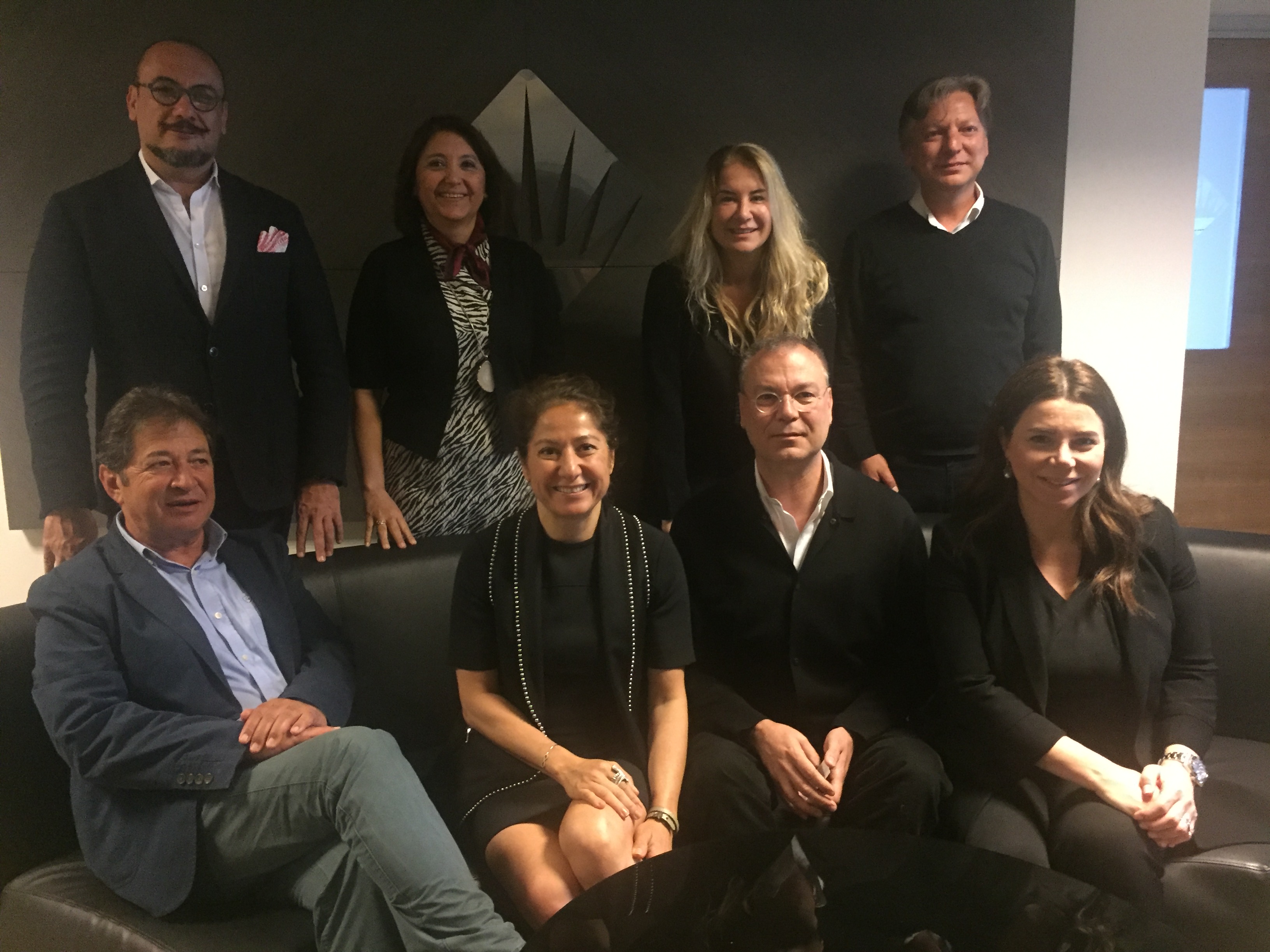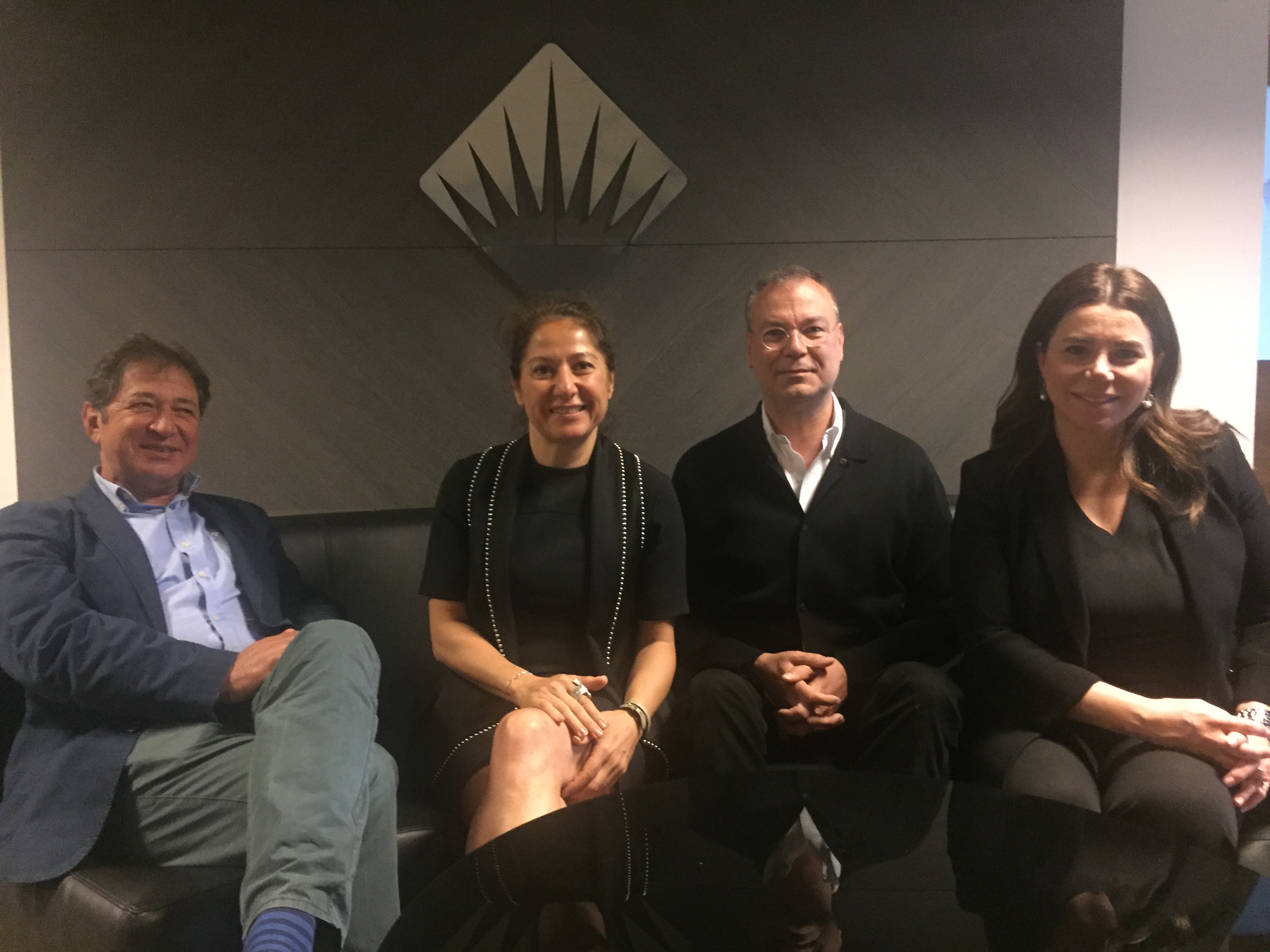
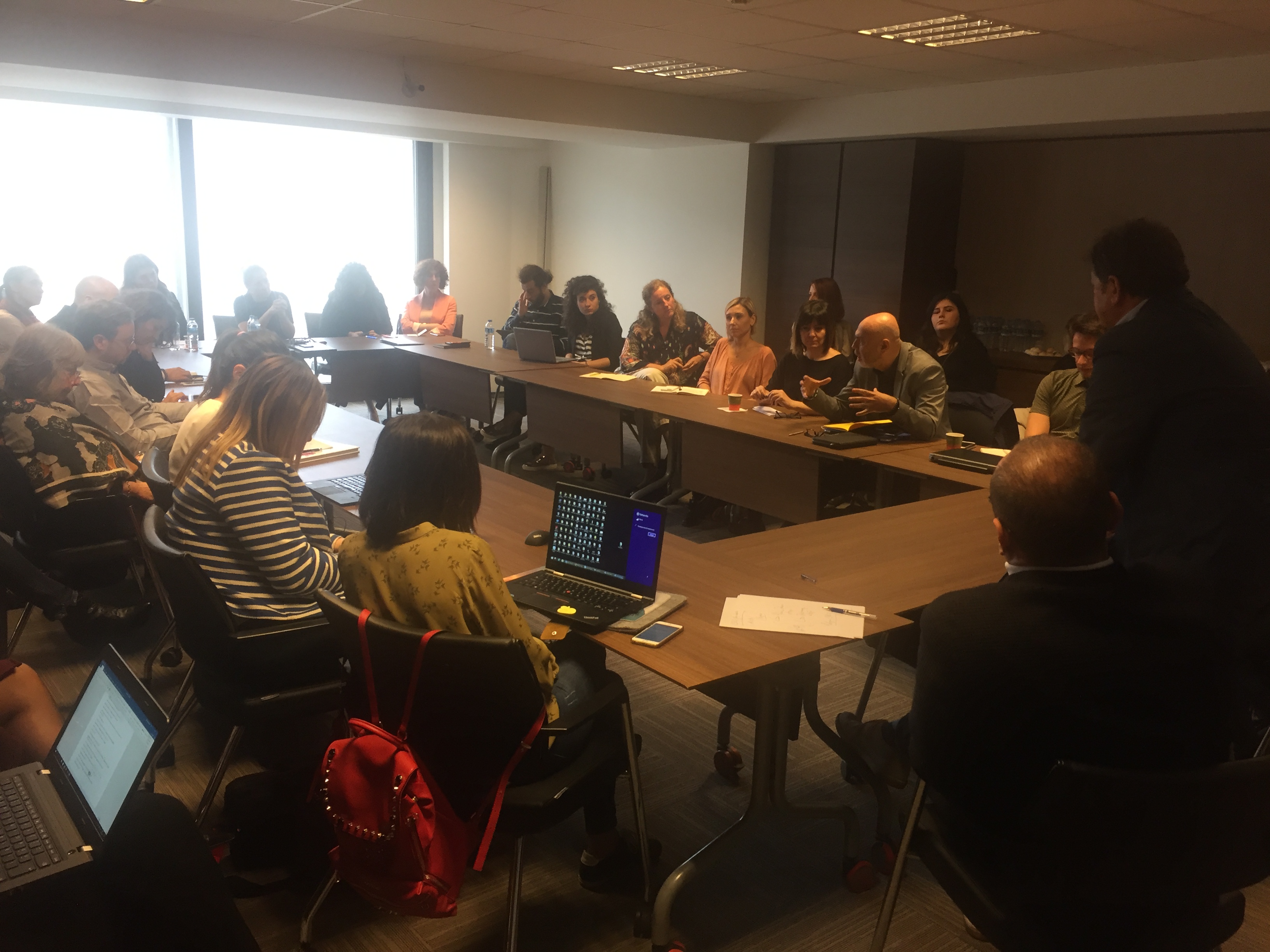
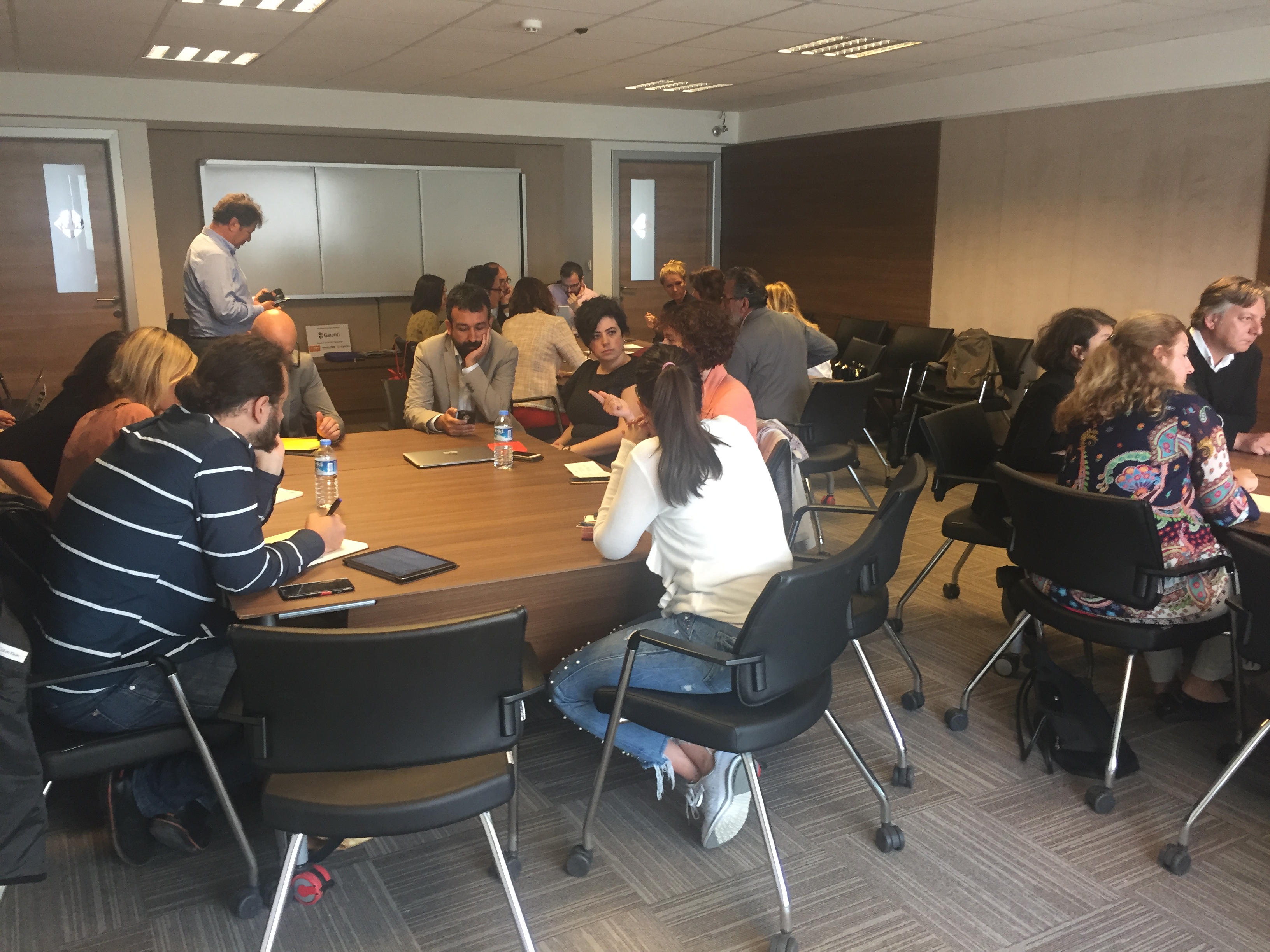
The RepStorm Brainstorming meeting, organized by RepMan Reputation Research Center, The 6th Storm Meeting was held on May 10, 2017, hosted by Bahçeşehir University. 37 communication professionals participated in the full-day meeting. Attendees included the presidents of the Communication Consultants Association (İDA), the Turkish Public Relations Association (TÜHİD), and the Corporate Communicators Association (KİD), as well as professionals working in the field of corporate communication, columnists, members of the press, academics, members of the RepMan Reputation Research Center Advisory Board, and representatives from relevant civil society organizations. The meeting was chaired by Salim Kadıbeşegil, a member of the Founding Advisory Board of RepMan Reputation Research Center.
In the first part of the discussion topic, which was determined as “The contribution of effective management of communication risks to company value”, the “the contribution of intangible values to company value” was opened for discussion. The summary of the discussions in this section is as follows:
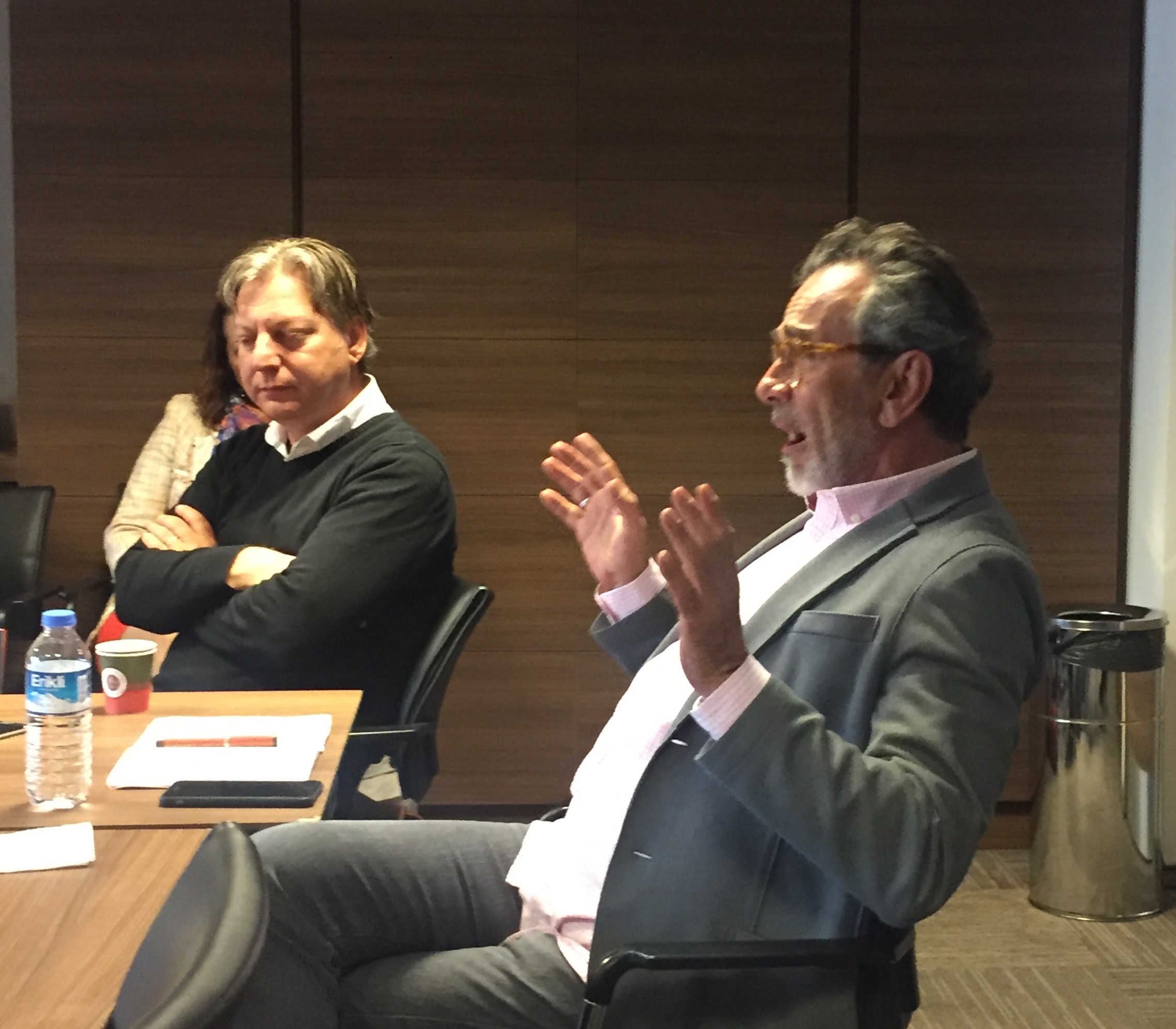
The Contribution of Intangible Assets to Company Value
Do company executives know what intangible assets are?
Executives are ideally aware of what they should manage, but in Turkey, considering cash flow and the company’s financial structure, the order of priorities changes. So, how do we convince CEOs of the value of communication, especially its monetary value? What can be done to ensure that communication is included in the company strategy? Can it be shown to the real world by supporting the pressure from external NGOs?
Reputation is not among the KPIs of CEOs. CEOs are in a role where results are expected in shorter periods. The important thing is to make the return on reputation visible in both the short and long term. If its monetary value is presented with evidence by explaining what it means in daily operations, the CEO can be convinced. To what extent do reputation criteria find a response in total? Must be measured!
In light of these discussions, communication risks were also grouped under the following headings:
Communication risks;
- The lack of awareness of the impact of communication on company performance.
- Lack of a collaborative working model and participatory modeling
- Failure to internalize reputation management in companies
- Communication being solely the responsibility of the communication department
- Regarding corporate reputation in the eyes of the public lack of awareness
Workshop
Intangible Values, Communication Risks, How to Change Our Perspective What will we change?
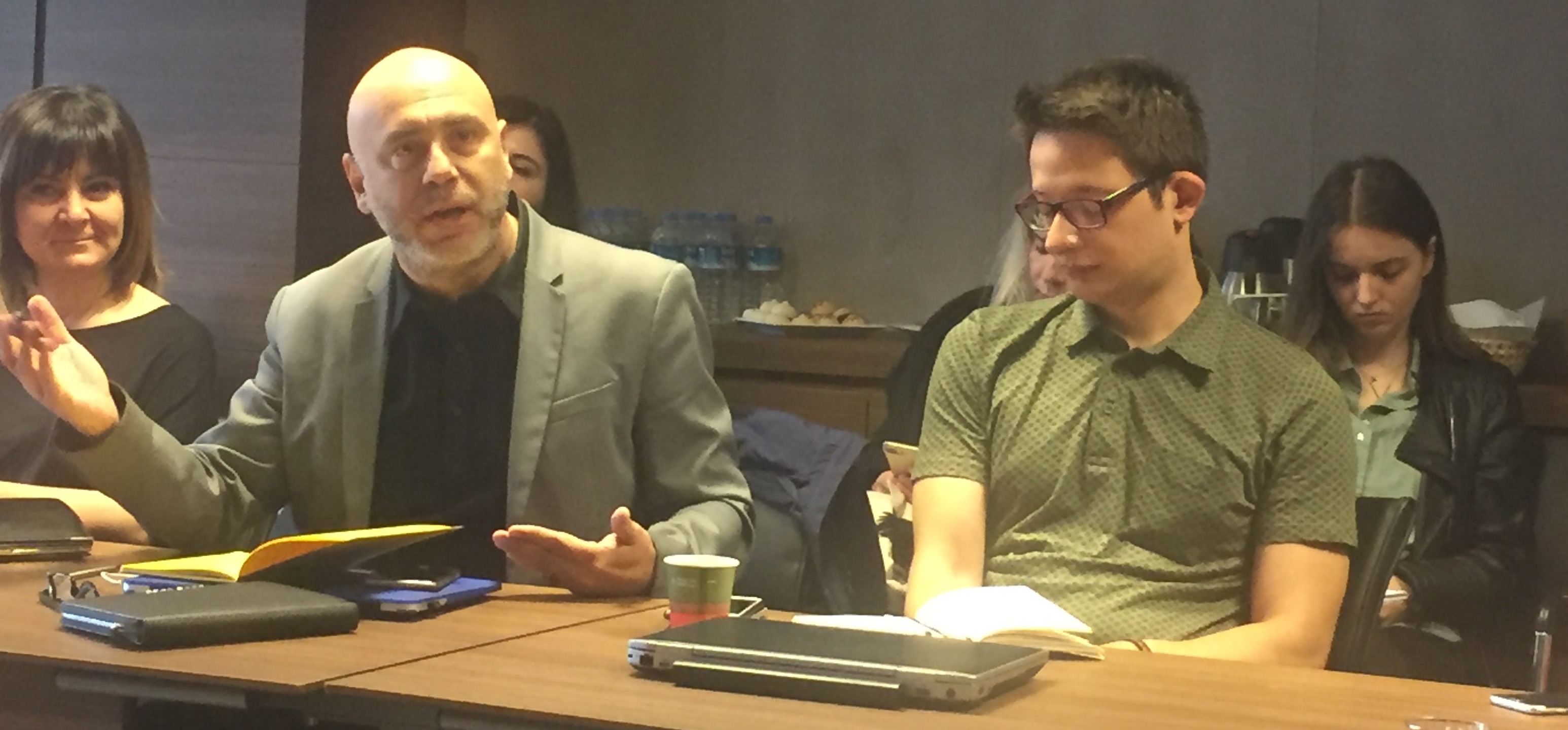
In the second part of RepStorm, a workshop was held at three work tables.
The following topics were discussed at the tables;
-
- What kind of performance will it create?
- What kind of new tools should we use to convey the story?
- To what extent are the concepts of prestige and sustainability known?
It needs to be redefined.
- As a company, we need to see how much value we add to people’s lives.
- Advertising efforts, internal communication efforts, media relations
- Social media should create a paradigm outside of the paradigms to date
- The language and politics of how every job done will be discussed should be established
- Value added to people’s lives -> Positive image -> Reputation
- Corporate communications should take its place in the management team and be the voice of external stakeholders!
Results
- We can more easily measure the costs of risks on the internal communication side.
- Active research-> divide/research/get feedback should be done on the internal communication side.
- Reputation committees should be established in companies. There should be spokespersons who can measure risks that are not measured internally. Financial results should be presented to management.Efforts should be made to establish communication and build reputation with an identity and culture determined by the will of the supervisory board.
New contracts can be created on the supplier side.
Specialized communication should be conducted with stakeholders.The sustainability aspect of procurement should be studied.
We must make a positive difference in people’s lives.
The alignment of decisions with the company’s corporate values should be examined. class=”s1″>Risks related to corporate values and reputation should be identified and their financial impact calculated. - The issue needs to be internalized from the bottom up (from employees to managers)
What should we do tomorrow morning?
We should use the company’s corporate values like a checklist. Every contract, statement, meeting, decision, process, and policy should be tested against the company’s corporate values. If there is any hesitation, it is a reputational risk. This could lead to a much more costly outcome for the company.